Kolhara Gate Tadoba — Why It’s the Best Entry Point for Your Safari
If you've spent any time researching a Tadoba trip, you've probably come across a question that doesn't get enough attention: which gate should I enter from?
Understanding Tadoba’s Gate System
Tadoba’s core and buffer zones are accessed through several gates, including Moharli, Navegaon, Kolhara, Zari, and Pangdi. Each gate leads into a distinct tract of forest with its own water bodies, grasslands, and wildlife movement patterns. The gate assigned to you during booking determines where your safari jeep can travel — you cannot cross between zones mid-safari.
Some gates, like Moharli, are popular and well-known. Others, like Kolhara, attract fewer vehicles but offer equally rich — and sometimes richer — wildlife encounters. The difference often comes down to crowd density and the quality of the habitat within that zone.
What Makes Kolhara Gate Special
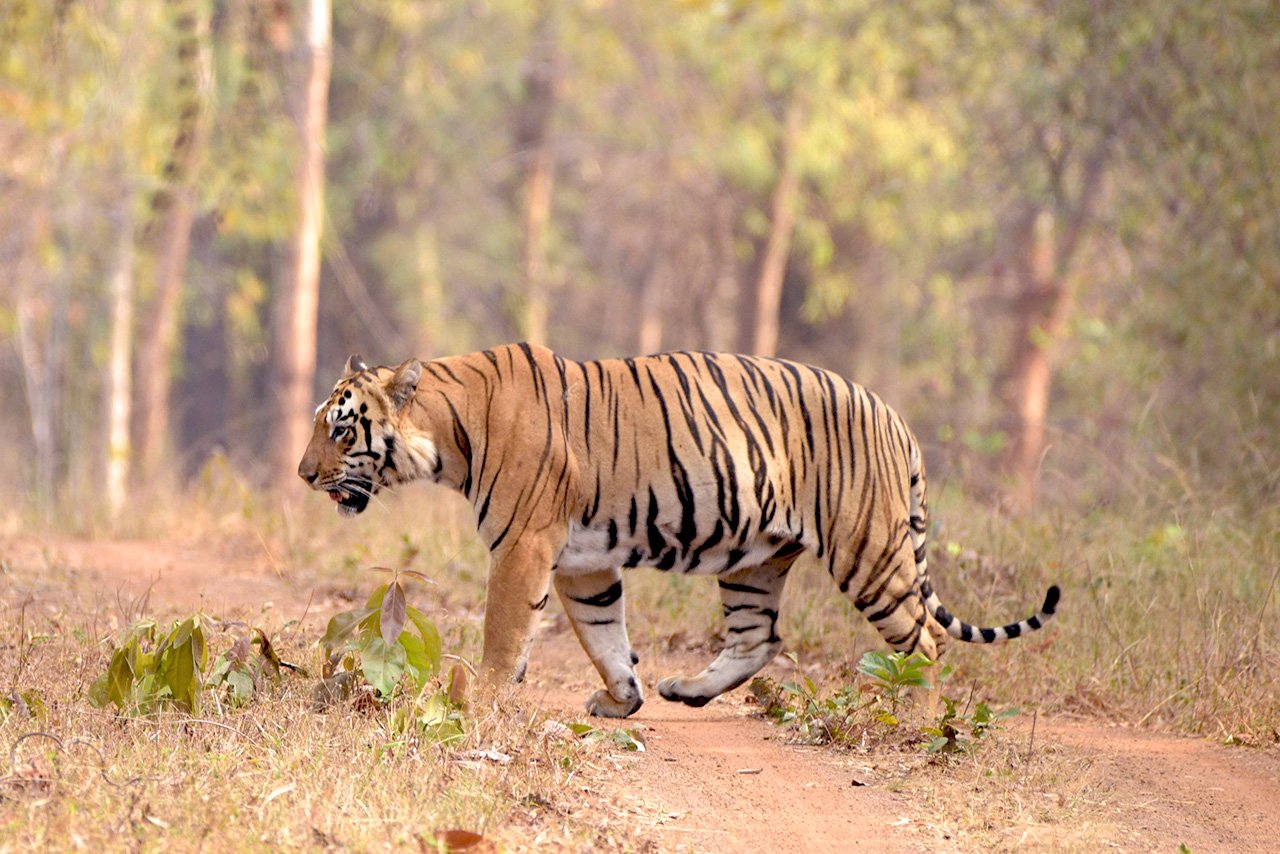
Rich Wildlife Corridors
The Kolhara zone encompasses a mix of dense teak forest, open grasslands, and natural water sources that create ideal conditions for predator activity. Bengal tigers use these corridors regularly, and the zone has produced consistent sightings year after year.
Beyond tigers, the Kolhara zone is home to leopards, sloth bears, Indian gaur, wild dogs (dholes), spotted deer, and sambar. The birdlife is remarkable — from crested serpent eagles soaring above the canopy to Indian pittas calling from the undergrowth. Serious birdwatchers often return to Kolhara specifically because the habitat diversity supports such a wide range of species.o.
Fewer Tourist Vehicles
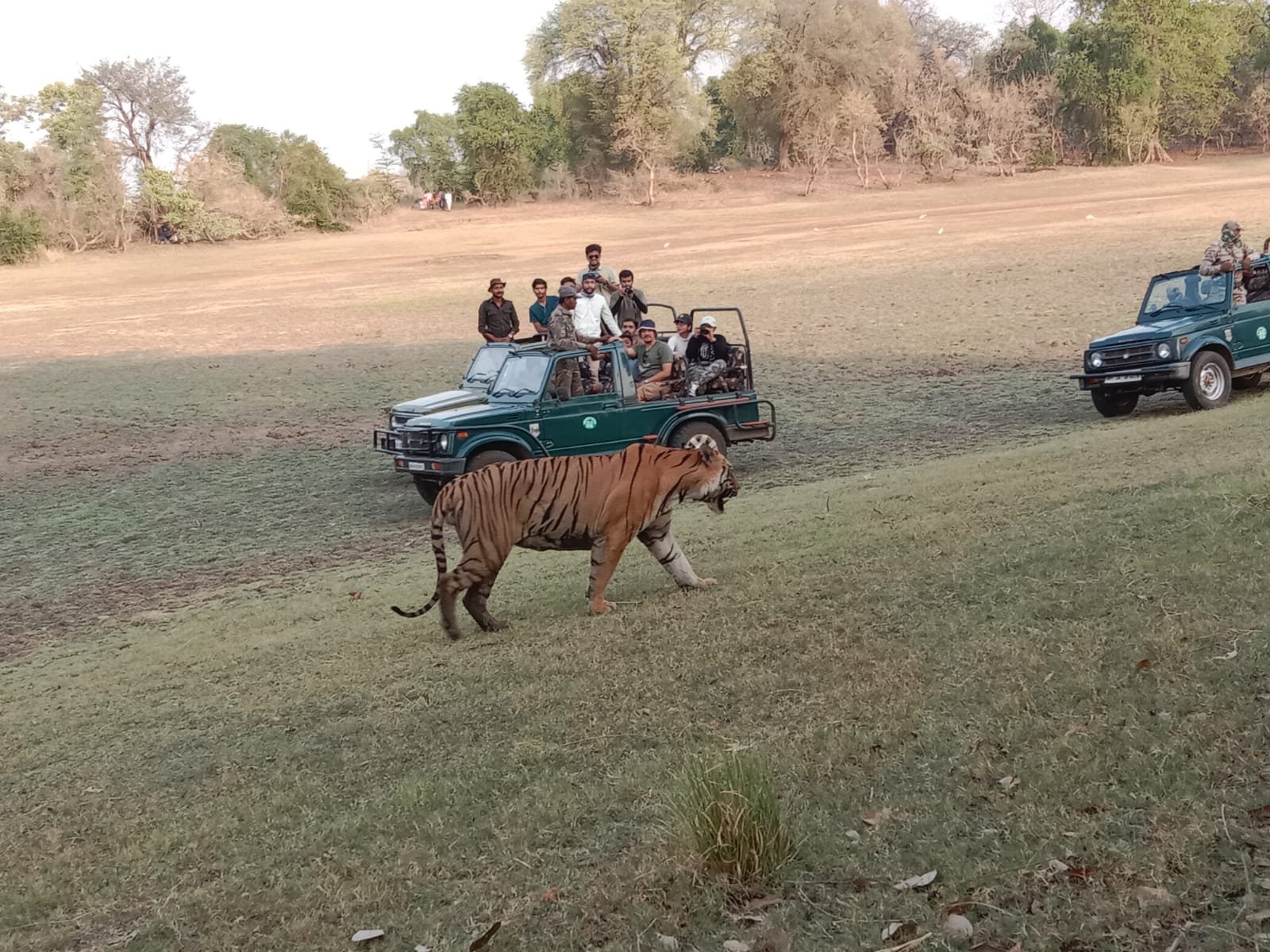
Popular gates can feel congested, especially during peak season weekends. Multiple jeeps clustered around a single sighting diminishes the experience. Kolhara, by comparison, tends to attract fewer vehicles. This means quieter drives, longer uninterrupted stretches through the forest, and more personal encounters with wildlife.
There’s also a practical benefit: when fewer jeeps share the same trails, animals are calmer and less likely to retreat into thick cover. A relaxed tiger at a waterhole, observed from a respectful distance with no competing engines, is a fundamentally different experience from a rushed sighting surrounded by camera shutters.
Fewer jeeps on the same trails means calmer animals, quieter drives, and longer uninterrupted wildlife encounters — the kind of experience that stays with you long after the trip ends.
Safari Logistics from Kolhara Gate
Timings, Costs, and Jeep Capacity
Travelling with four to six people makes financial sense — splitting ₹6,000 among six reduces the per-person cost to just ₹1,000 for a four-hour guided safari through one of central India's premier tiger habitats.
Where to Stay near Kolhara Gate
Location is everything when it comes to a safari stay. A resort close to your entry gate means you can wake up at a reasonable hour, have breakfast, and still reach the gate before the first jeeps roll in. Resorts far from the gate force you into pre-dawn drives on rural roads, arriving tired before the safari even begins.
Staying near Kolhara Gate also means you return to your accommodation quickly after the morning safari, giving you time to rest, eat, and recharge before the afternoon slot.
Tadoba Tiger Hood Resort sits near Kolhara Gate, offering eco-friendly bamboo cottages with forest-facing views from ₹2,490 per person (meals included) and dormitory rooms from ₹1,790 per person. The resort handles complete safari coordination — jeep booking, naturalist assignment, gate formalities — so you can focus on the forest instead of logistics.
Eco-friendly bamboo cottages with forest-facing views, meals included, and complete safari coordination — jeep booking, naturalist assignment, and gate formalities all handled for you.
How to Book Your Kolhara Gate Safari
The simplest route is to contact a resort near the gate that offers booking assistance. They handle permit applications, jeep allocation, and guide coordination — the pieces that can be confusing for first-time visitors navigating the government booking portal.
Book at least two to three weeks ahead during peak season (November–May) to secure your preferred slot. If you have flexibility, weekday safaris are less crowded and more affordable.
- Arrive the evening before your first safari. Settling in the night before lets you absorb the sounds of the jungle and puts you in the right frame of mind before you board the jeep.
- Dress in earthy, muted colours. Avoid bright whites and reds, which can startle animals. Carry binoculars and a light jacket for chilly mornings between October and February.
- Trust your naturalist. They know the zone’s resident tigers by name, track territorial markings, and read alarm calls from deer and langurs that signal a predator’s approach.
- Manage expectations. No safari guarantees a tiger sighting. But Kolhara’s habitat richness means that even on a quiet drive, you’ll encounter gaur herds, raptor flights, and forest sounds that stay with you long after the trip ends.
👉 Book your stay at Tadoba Tiger Hood Resort via WhatsApp for a seamless experience.
Phone / WhatsApp: +91 7993844596
Email: tadobatigerhood@gmail.com