Best Time to Visit Tadoba National Park — A Season-by-Season Safari Guide
Why Timing Matters for a Tadoba Safari
Winter Season (October to February) — The Most Comfortable Window
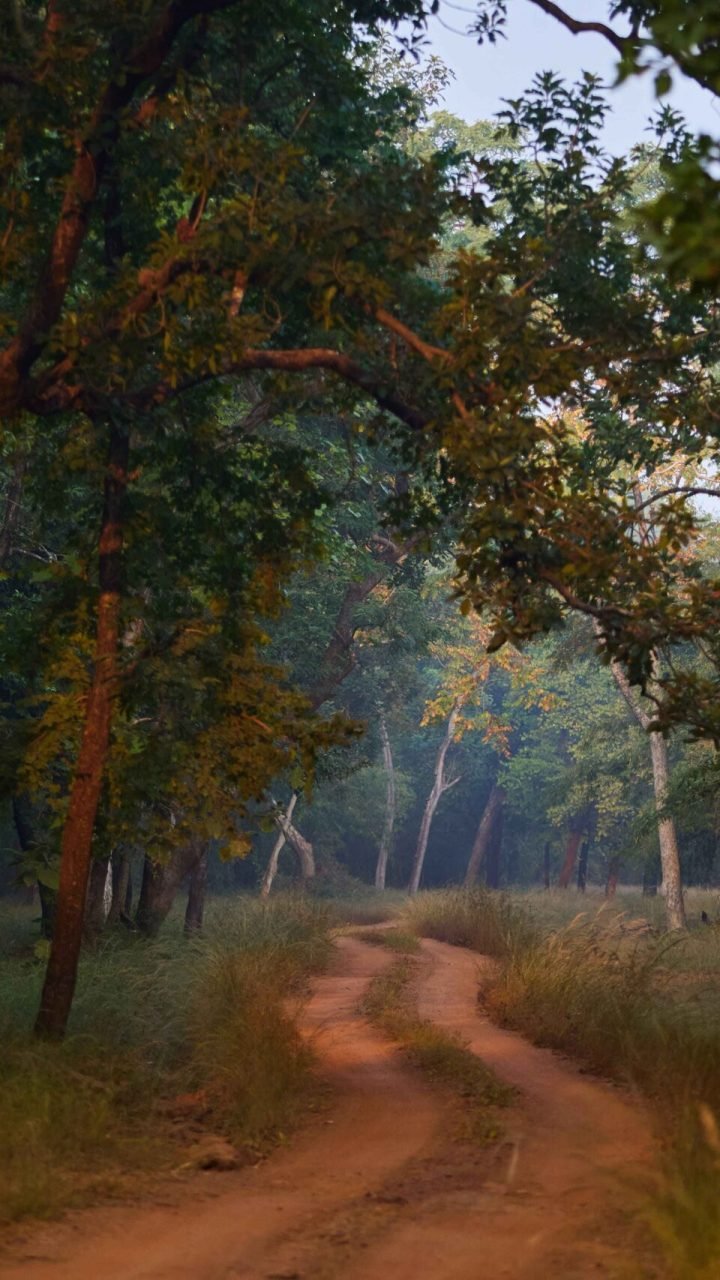
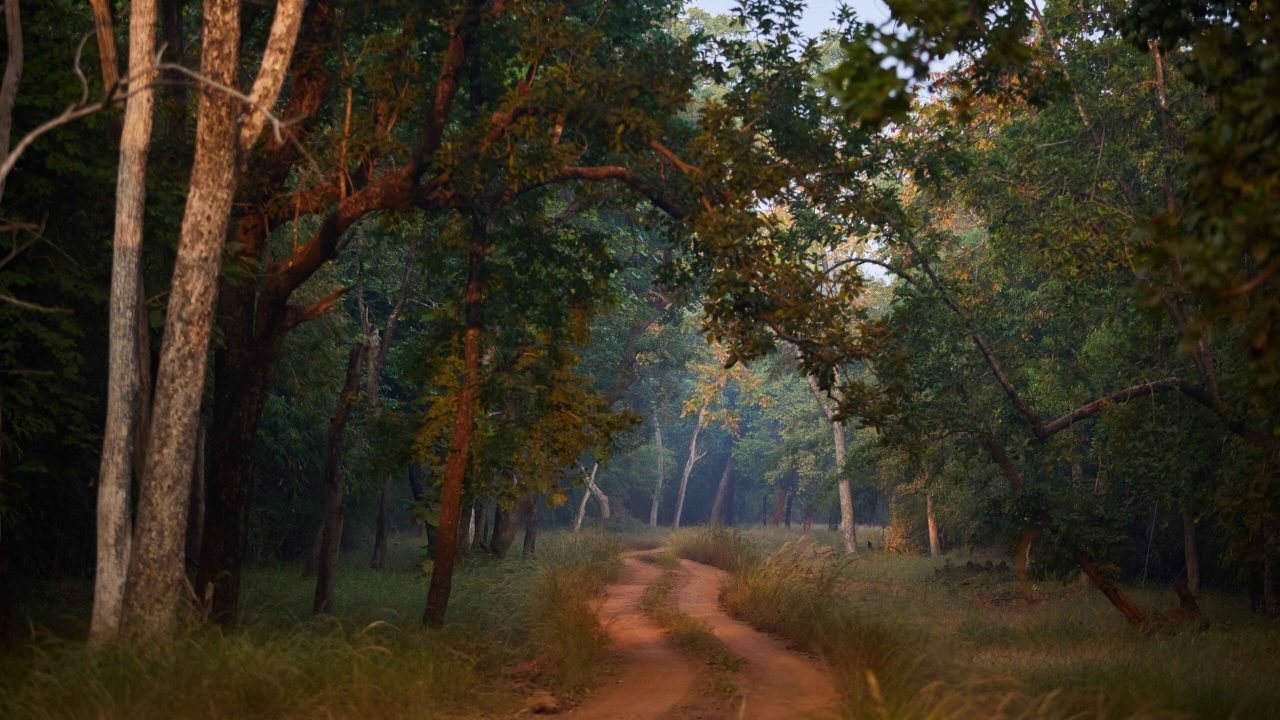
Weather and Conditions
Wildlife Activity
Summer Season (March–May) — Best for Tiger Sightings
Summer Season (March to May) — Peak Tiger Sighting Probability
Why Tigers Come to Waterholes

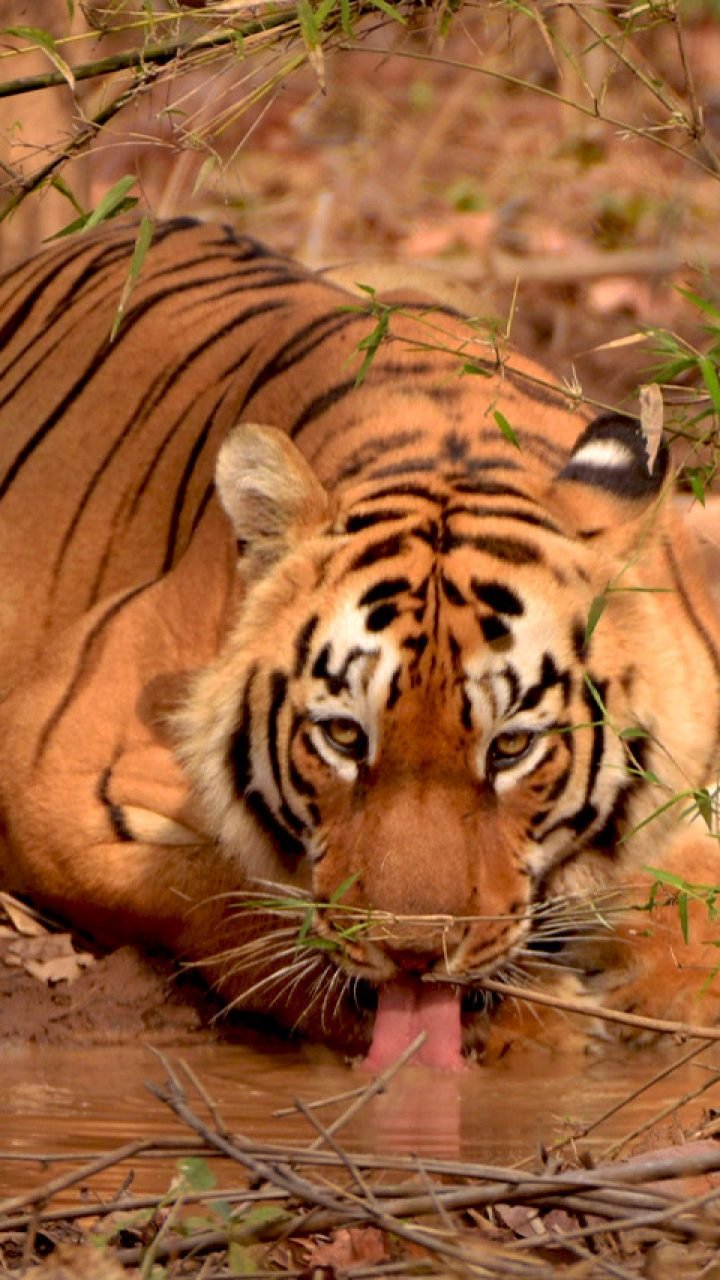
What to Expect on a Summer Safari
Choose the morning safari slot (6:00–10:00 AM) during summer. The early hours are cooler, and animals are most active at dawn. Carry plenty of water, wear light layers, and apply sunscreen before you board the jeep.
If you’re serious about tiger photography or have come specifically for a sighting, summer is the season to prioritise. Staying at a resort that handles your safari booking — jeep, naturalist guide, gate coordination — removes the logistical headache and lets you focus entirely on the forest.
Choose the morning safari slot (6:00–10:00 AM) during summer. The early hours are cooler, and animals are most active at dawn. Carry plenty of water, wear light layers, and apply sunscreen before you board the jeep.
Monsoon Season (June to September) — The Park Rests
The core zones of Tadoba close during the monsoon to allow the forest to regenerate. Heavy rains wash away tracks, rivers swell, and the terrain becomes unsuitable for safari vehicles.
Buffer Zone Safaris
However, select buffer zones remain open with limited permits. The forest during monsoon is strikingly beautiful — waterfalls appear, the undergrowth is lush, and the birdlife is vibrant. If you’re a birder or a landscape photographer, a buffer zone visit during the early or late monsoon can be surprisingly rewarding.
Keep in mind that tiger sightings in buffer zones are rare. This season suits visitors who value the atmosphere and scenery over specific wildlife encounters.
Month-by-Month Quick Reference
| Month | Conditions | Tiger Sightings | Crowd Level |
|---|---|---|---|
| Oct – Nov | Park reopens. Lush greenery, moderate wildlife activity, comfortable weather | Moderate | Low – Medium |
| Dec – Jan | Cold mornings, excellent birding, good tiger movement. Peak tourist season | Good | High — book early |
| February | Transitional month. Warming temps, vegetation begins thinning. Sweet spot | Good | Medium |
| Mar – Apr | Heat builds. Waterholes drying. Tiger sighting probability climbs sharply | High | Medium |
| May | Hottest month. Highest tiger sighting rates. Carry hydration and sun protection | Highest | Low – Medium |
| Jun – Sep | Core zones closed. Buffer zones open with limited access only | Very Rare | Very Low |
👉 Scroll horizontally to view full table
| Month | Conditions | Tiger Sightings | Crowd Level |
|---|---|---|---|
| Oct – Nov | Park reopens. Lush greenery, moderate wildlife activity, comfortable weather | Moderate | Low – Medium |
| Dec – Jan | Cold mornings, excellent birding, good tiger movement. Peak tourist season | Good | High — book early |
| February | Transitional month. Warming temps, vegetation begins thinning. Sweet spot | Good | Medium |
| Mar – Apr | Heat builds. Waterholes drying. Tiger sighting probability climbs sharply | High | Medium |
| May | Hottest month. Highest tiger sighting rates. Carry hydration and sun protection | Highest | Low – Medium |
| Jun – Sep | Core zones closed. Buffer zones open with limited access only | Very Rare | Very Low |
Where to Stay for the Best Experience
Your accommodation choice shapes the entire trip. Staying close to a safari gate means you arrive at the entry point early, rested, and without the stress of a long drive. Resorts near Kolhara Gate offer this advantage — you’re practically at the doorstep of the reserve.
Look for a stay that includes meals (you won’t find restaurants in the forest), offers safari booking assistance, and provides a peaceful environment where you can unwind after hours in the jeep. Eco-friendly bamboo cottages, for instance, blend into the forest setting and add to the experience rather than detracting from it.
Tadoba Tiger Hood Resort, located near Kolhara Gate, checks these boxes: forest-facing cottages starting at ₹2,490 per person with meals, budget dormitory options at ₹1,790, and full safari coordination including jeep, naturalist guide, and gate formalities.
Forest-facing cottages, meals included, full safari coordination — jeep, naturalist guide, and gate formalities handled for you.
Forest-facing cottages, meals included, full safari coordination — jeep, naturalist guide, and gate formalities handled for you.
Final Tips Before You Book
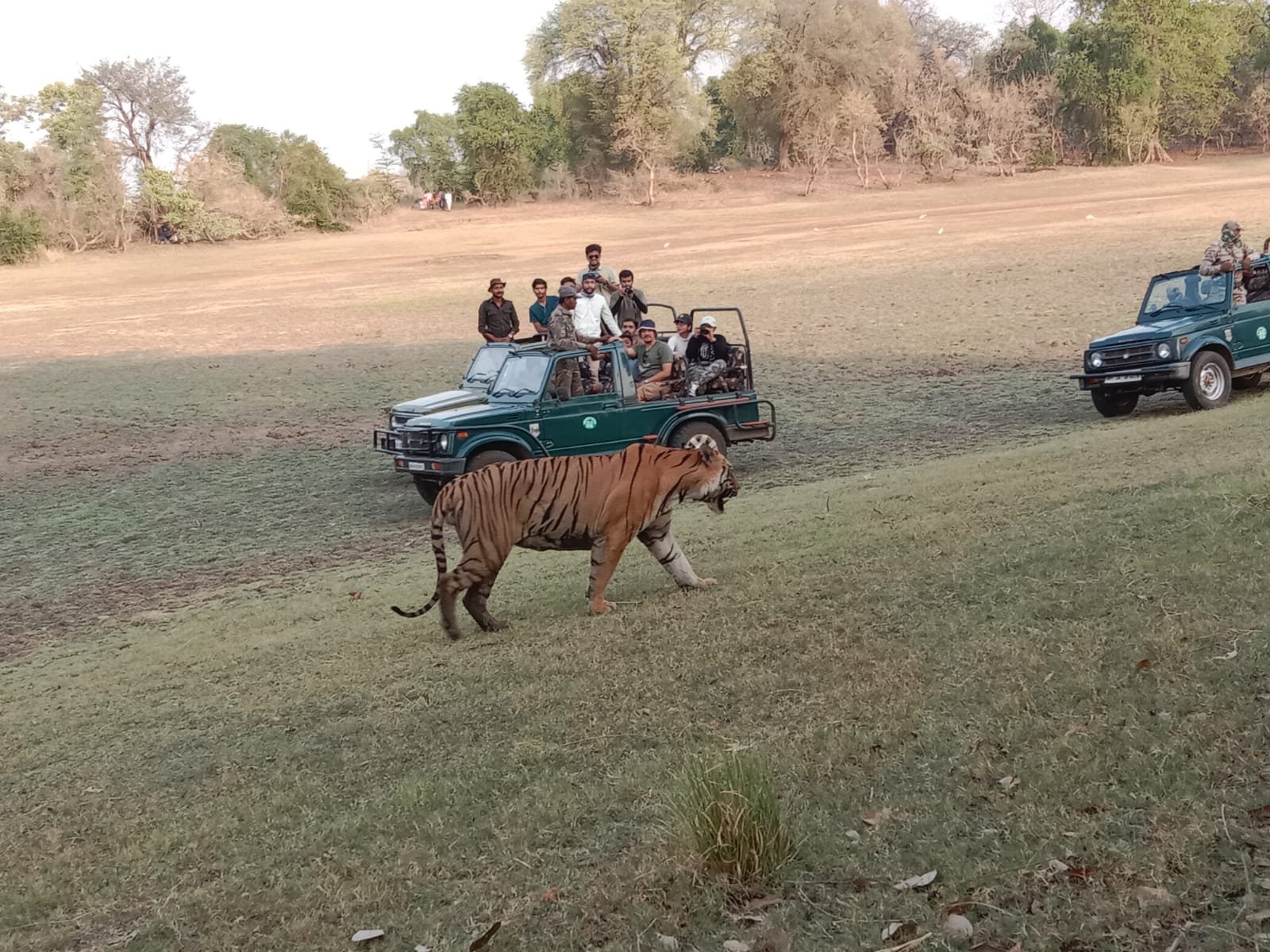
👉 Book your stay at Tadoba Tiger Hood Resort via WhatsApp for a seamless experience.
Phone / WhatsApp: +91 7993844596
Email: tadobatigerhood@gmail.com